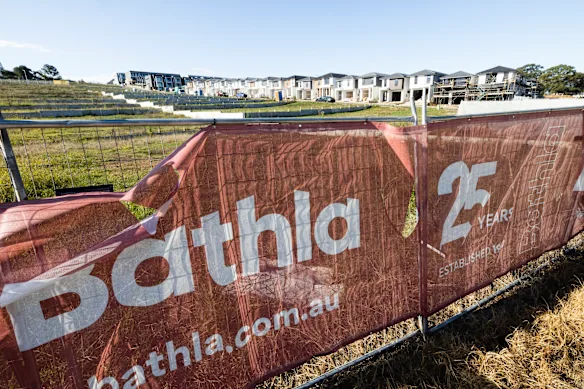
What Happens if Your Builder Goes Bust During Construction?
4 min read · Oct 12
An unfinished home, money already paid and a builder who has stopped answering the phone. It's a situation no homeowner wants to face, but knowing what to do next can make a significant difference.
When you're building a home, you expect a few challenges along the way. Delays, variations and unexpected costs are all possibilities.
But what happens when your builder goes out of business before the house is finished? Suddenly, you're left trying to work out how much work has actually been completed, what you've paid for and who is going to finish the job.
The temptation is to find another builder and get construction moving again. Unfortunately, it's rarely that simple.
First, Find Out What's Actually Happened
A builder experiencing financial difficulties isn't necessarily insolvent.
There is a difference between a company struggling with cashflow, entering administration and going into liquidation.
Before making any major decisions, confirm the builder's status. Check the company's details through ASIC, establish whether an administrator or liquidator has been appointed and review any formal correspondence.
Importantly, don't assume you can immediately terminate the building contract. Doing so incorrectly could affect your legal position or insurance entitlements.
Understand What You've Paid For
This is where good project records become particularly valuable.
Imagine you've signed a $600,000 building contract and already paid $360,000. On paper, you've paid 60% of the contract price. But has 60% of the work actually been completed?
And what if another builder quotes $310,000 to finish the job, leaving you $70,000 above your original budget?
These are the questions you'll need to work through.
An independent assessment of completed work, outstanding items and defects can help establish the actual position.
Remember that progress payments should follow the contractual payment arrangements and applicable legislation.
Paying before work is complete can leave homeowners particularly exposed if the builder fails.
Check Your Insurance Before Doing Anything Else
Depending on where you're building, you may have access to a home building warranty, indemnity or compensation scheme that provides protection against builder insolvency.
However, not every project is covered, and insurance doesn't necessarily pay every additional cost of finishing the home.
Cover, limits and claim deadlines vary across Australia.
Locate your insurance certificate and contact the relevant insurer or scheme administrator promptly. Don't wait until you've found a replacement builder.
Before terminating the contract or commissioning substantial completion work, obtain appropriate advice about the implications for your insurance claim.
Protect the Site and Keep Your Records
An unfinished home can deteriorate quickly, particularly if it's exposed to the weather.
Document the condition of the site with photographs and arrange appropriate advice about securing the property and protecting unfinished work.
You'll also want to gather your building contract, drawings, specifications, variations, payment records, inspection reports and correspondence.
These documents help establish what the builder was contracted to deliver, what has been paid and what remains outstanding.
If you eventually engage another builder, having this information organised will also make it easier for them to assess and price the remaining work.
Could You Have Seen It Coming?
Not every builder failure comes with obvious warning signs. However, there are situations that should prompt further questions.
Repeated requests for early payments, unexplained periods without work on site, unpaid subcontractors, frequent changes to the construction programme or difficulty obtaining clear information about progress can all warrant closer attention.
None of these automatically means a builder is insolvent.
But they are reasons to ask questions, document responses and seek independent advice where necessary.
Keeping Control of Your Build
At My Build Hub, we believe homeowners should have a clear picture of their project throughout construction, not just when something goes wrong.
Keeping your contract documents, drawings, variations, progress claims, payments and project photographs together makes it easier to understand where things stand.
If a builder does fail, those records can become important when dealing with insurers, advisers and replacement builders.
My Build Hub also offers access to independent construction and project management advice when homeowners need additional support.
The takeaway?
You can't control whether a building company experiences financial difficulties. But you can control how well your project is documented, how closely payments are monitored and how quickly you respond when something doesn't look right.
And if the worst does happen, getting the right advice before making major decisions could save you considerably more trouble down the track.
Building or renovating? Visit www.mybuildhub.com.au to see how My Build Hub can help you stay organised and informed throughout your project.
This article provides general information only. Residential building insurance, contractual rights and insolvency procedures vary across Australian states and territories. Seek appropriate professional advice for your circumstances.